You pull back the baseboard after a slow plumbing leak and find a dark, spreading stain, or maybe you notice a persistent, musty smell in your hallway that will not go away. While many homeowners search for “microtoxins” to explain these issues, the scientific term for these harmful fungal compounds is mycotoxins. This spelling confusion is common, but identifying the real threat is the first step in protecting your living space and choosing the right certified restoration process.
People in industrialized nations spend more than 90 percent of their time indoors, where concentrations of many pollutants can exceed outdoor levels, according to the U.S. Consumer Product Safety Commission indoor air quality guide. That figure carries particular weight for property owners in high-altitude environments like the Truckee-Tahoe region. Here, heavy winter snowpack and aggressive freeze-thaw cycles create hidden moisture reservoirs inside wall cavities, crawlspaces, and attics. These conditions accelerate mold colonization long before you ever notice a musty odor. Moisture hides. Mold follows.
What Are Mycotoxins vs. Microtoxins?
When relative humidity inside a building climbs above 50 percent, and damp surfaces remain wet long enough for spores to germinate, fungal colonies establish themselves on organic building materials: drywall paper, wood framing, carpet backing, and insulation. That 50 percent threshold is the line where amplification accelerates, according to the CPSC indoor air quality guide. Water intrusion events, including roof leaks, plumbing failures, and chronic seepage, push moisture levels well past that point, often inside wall assemblies where airflow is minimal. The causes of mold growth in mountain homes are particularly layered in Sierra Nevada climates, where ice dams and snowmelt infiltration add seasonal moisture loads that flat-land properties rarely encounter.
Mycotoxins are secondary chemical metabolites: compounds the fungus produces as part of its biological activity, rather than living organisms themselves. That difference has a practical consequence; eliminating the visible mold colony does not neutralize the chemical residue already deposited on porous materials. These compounds are physically resilient and do not degrade easily under normal cleaning conditions. They linger. Exposure occurs primarily through inhalation, because these chemicals are carried on fungal spores that become airborne, and through dermal contact with contaminated surfaces. While the bulk of established clinical data on these toxins comes from ingestion of contaminated food, the inhalation pathway in water-damaged residential buildings remains an area of active medical investigation. Living with this invisible threat is deeply unsettling.
Dangers of Mycotoxins in Homes and Health Risks
The documented health effects of mycotoxin exposure span a wide range. At the milder end, occupants report respiratory irritation and skin reactions. At the severe end, toxins from several fungal species have been documented to cause dermatosis through direct skin contact. At least one case of neurotoxic symptoms has been reported in connection with airborne exposure in a heavily contaminated environment, according to the CPSC indoor air quality guide, highlighting how severe indoor air pollution can become when left unaddressed. Immunosuppression and potential long-term risks have also been associated with chronic exposure to these fungal metabolites.
Diagnosis is genuinely difficult. Symptoms are highly nonspecific; they overlap substantially with influenza, seasonal allergies, and the common cold. This means environmentally driven illness often goes unrecognized for months or years while occupants cycle through treatments that address symptoms but not the source. Compounding this, there are currently no federal standards developed specifically for indoor air contaminants in non-occupational environments in the United States. Without regulatory benchmarks, the burden of preventive testing and professional remediation falls entirely on the property owner. Navigating these health concerns without clear answers is incredibly stressful for any family.
Common symptoms associated with mycotoxin exposure include:
- Respiratory Distress: Coughing, wheezing, and upper respiratory tract irritation from inhaling airborne fungal spores.
- Dermatological Issues: Severe dermatosis and skin irritation resulting from direct contact with contaminated building materials.
- Cognitive and Neurological Symptoms: Brain fog, persistent headaches, and fatigue, which are documented black mold health risks associated with prolonged exposure in heavily contaminated environments.
- Systemic and Immune Effects: Immunosuppression and potential long-term risks, including cancer, from chronic exposure to harmful fungal metabolites.
Schedule a Professional Mold Assessment
Ignoring early warning signs of mold allows mycotoxin contamination to spread through HVAC systems and into structural materials, compounding both the health risk and the remediation cost. Book a professional mold inspection in Truckee with the IICRC-certified team at Truckee Tahoe Pros. Call (530) 550-PROS (7767) or visit our office at 11384 Beacon Rd to protect your property and your family’s health.
How to Identify Mold and Moisture Problems
Mold and its associated toxins rarely announce themselves visually. Colonies grow behind drywall, beneath flooring, and inside crawlspaces where conditions are damp and undisturbed. These chemical compounds travel through HVAC ductwork and air currents well beyond the physical boundary of the colony. A property can have a serious indoor air quality problem without a single visible patch of discoloration. Detecting hidden mold requires specialized equipment. Our technicians use thermal imaging, which works like an X-ray for your walls to show moisture the eye cannot see, alongside calibrated moisture meters that measure water content inside wall assemblies that appear dry on the surface. Guesswork at this stage produces incomplete remediation and recurring contamination. Precision is key.
The moisture sources that feed fungal growth are diverse. Water intrusion events, active leaks, foundation seepage, and carpets installed directly on unventilated concrete floors are among the most common contributors, according to the CPSC indoor air quality guide. Household appliances also deserve close attention: humidifiers, dehumidifiers, air conditioners, and refrigerator drip pans can all function as fungal reservoirs when they go without regular cleaning and maintenance. Discovering hidden moisture can feel overwhelming, but finding it is the first step to protecting your home.
Warning signs that hidden moisture may be present:
- Musty Odors: Persistent, earthy smells indicate active fungal growth behind walls or under floors, even when no visible mold is present.
- Visible Staining: Discoloration on walls, ceilings, or baseboards often points to an active or historical leak.
- Condensation: Frequent moisture buildup on windows, pipes, or cold surfaces signals indoor relative humidity levels exceeding 50 percent.
- Physical Warping: Buckling wood floors, peeling wallpaper, or bubbling paint are physical evidence of trapped moisture working on building materials from the inside.
The Professional Mold and Water Damage Remediation Process
The 24-hour window after a water intrusion event is where remediation outcomes are mostly determined. Building materials and carpets must be thoroughly cleaned and dried within 24 hours of damage, or removed and replaced entirely. This is the critical threshold where microbial amplification accelerates past the point of simple drying, according to the CPSC indoor air quality guide. Short-term measures like disinfection with bleach or a hydrogen peroxide solution can reduce surface contamination, but neither approach is a reliable long-term strategy on its own. Neither method removes mycotoxins already absorbed into porous materials like drywall, insulation, or subflooring.
Professional remediation addresses what surface cleaning cannot. Our certified restoration process is handled by IICRC-certified technicians who operate under the same credentialed standards hospitals use for infection control, applied to your home. This process involves physical containment barriers engineered to prevent microscopic contaminants from migrating to unaffected areas of the structure, combined with industrial-scale structural drying, which carefully draws deep moisture out of your framing the way a dehumidifier works on a much larger scale. Negative air pressure machines and HEPA filtration run continuously inside the containment zone to capture airborne particulates. The objective is not just removing visible mold, but eliminating the chemical residue and the moisture conditions that allowed colonization in the first place. We restore safety. We are here to guide you through every step of this process.
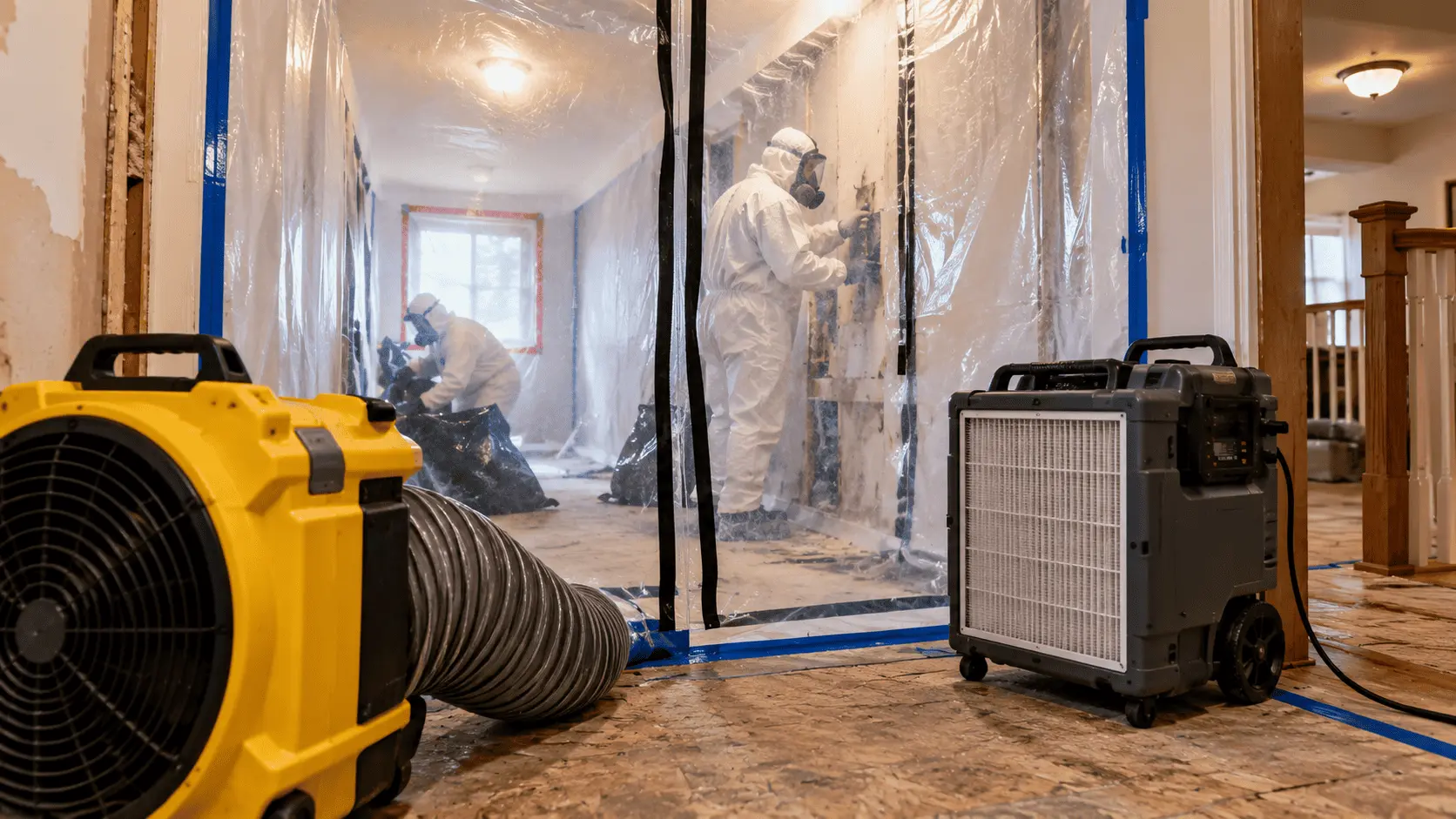
Professional mold remediation crews use sealed containment barriers, negative air pressure, and HEPA filtration equipment to help prevent airborne contamination from spreading during mold removal.
Get Expert Remediation Advice
Protect your home from secondary water damage and persistent toxins by implementing professional mold prevention tips. For immediate assistance with water damage or mold concerns in Truckee and Placer County, contact Truckee Tahoe Pros at (530) 550-PROS (7767).
Preventing Future Mycotoxin and Mold Growth
Active moisture control is the most dependable defense against recurring fungal contamination: Keep water out.
- Maintain Low Humidity: Keep indoor relative humidity below 50 percent using dehumidifiers and adequate ventilation, particularly in basements and crawlspaces.
- Ensure Proper Ventilation: Exhaust fans in kitchens and bathrooms should vent directly to the exterior, and clothes dryers must discharge outside, never into attic or crawlspace cavities.
- Inspect Seasonal Properties: Unoccupied second homes are especially vulnerable to freeze-thaw pipe bursts and roof leaks from heavy winter snowpack. Regular off-season walkthroughs catch moisture intrusion before it becomes a remediation project.
- Maintain Appliances: Humidifiers, dehumidifiers, air conditioners, and refrigerator drip pans require regular cleaning to prevent them from becoming fungal reservoirs inside the living space.
Preventing mold growth is an ongoing process of environmental control, not a one-time fix. Regular maintenance of the building envelope, prompt repair of roof and plumbing leaks, and seasonal inspections are essential for long-term property protection in the Sierra Nevada climate, where extreme weather can quickly expose any vulnerability in your home. The combination of heavy snowpack, rapid temperature swings, and older building stock creates conditions that reward sustained vigilance. Protecting your mountain home is a journey, and you do not have to do it alone.
Frequently Asked Questions About Microtoxins
Which foods are high in mycotoxins?
Foods prone to mycotoxin contamination include moldy grains such as corn, wheat, and barley, along with peanuts, tree nuts, coffee beans, cocoa, dried fruits, and certain spices when stored in warm, humid conditions. Food ingestion remains the most thoroughly researched pathway for mycotoxin-induced disease, though maintaining clean indoor air quality is equally important for overall health.
What are examples of mycotoxins?
Common mycotoxins include Aflatoxins, which are highly harmful compounds produced by Aspergillus species, Ochratoxin A, Trichothecenes such as the T-2 toxin produced by Stachybotrys chartarum, commonly called black mold, Zearalenone, Fumonisins, and Patulin. Each compound carries distinct harmful properties and a different degree of physical resilience in contaminated materials.
How can I remove mycotoxins from my body?
Removal usually involves eliminating further environmental exposure first; no detoxification protocol will hold if the person continues living in a water-damaged building. Supporting liver detoxification pathways, maintaining adequate hydration, and using binders such as activated charcoal or bentonite clay are commonly recommended approaches. A healthcare professional should guide any targeted therapy, particularly for individuals with prolonged or heavy exposure.
What are the 10 warning signs of mold illness?
The ten warning signs include chronic fatigue, cognitive impairment (brain fog), sensitivity to light, headaches, numbness or tingling, muscle cramps, respiratory distress (coughing and wheezing), digestive issues, a metallic taste in the mouth, and frequent mood changes. Because these symptoms are highly nonspecific, they are frequently misattributed to other common conditions, delaying both diagnosis and environmental remediation.
How do I flush mold out of my system?
Flushing mold metabolites from the body involves removing yourself from the contaminated environment, increasing water intake, eating a clean anti-inflammatory diet, and utilizing medical-grade binders under clinical supervision. Exercise that promotes sweating and guidance from a functional medicine practitioner can support the process. Clinical detoxification will not yield lasting results if the patient remains in a water-damaged building; environmental remediation and medical recovery have to proceed in parallel.
Contact Us Today
Understanding the science of mycotoxins is the first step toward reclaiming a safe indoor environment. When a water damage event occurs, the 24-hour window to clean and dry affected areas is the critical interval separating a manageable drying job from a full remediation project. For property owners in Truckee and Placer County, the unique challenges of high-altitude freeze-thaw cycles demand specialized local expertise. The kind of moisture intrusion that develops behind a wall over a Sierra Nevada winter does not respond to surface-level fixes. Hidden contamination compounds quietly, and the longer it goes unaddressed, the deeper the structural and health consequences reach.
If you suspect mold or hidden water damage in your home, take immediate action to protect your home. Schedule a professional inspection or book certified mold remediation services with Truckee Tahoe Pros. Contact our IICRC-certified team today at (530) 550-PROS (7767) or visit us at 11384 Beacon Rd, Truckee, CA.